The Gut
Microbiome
Your gut microbiome is a complex community of over 100 trillion microorganisms — bacteria, yeast, fungi and viruses — living inside your digestive tract. These microbes form an invisible ecosystem that plays a major role in your digestion, metabolism, immune system, weight, energy levels, and even your mood.
Recent research shows the gut microbiome is a command center for overall health and well-being. This invisible community of over 100 trillion microorganisms is central to digestion, nutrition absorption, metabolism, immunity, mood, energy levels and also skin health.
Think of it as your body’s internal garden. When you nourish it with the right nutrients, it thrives. When it’s imbalanced, your health feels the impact.
A healthy gut benefits every part of your body. Gutrient makes daily gut support simple and convenient.

Effects of a Healthy Microbiome
1. Optimum Digestion & Nutrient Absorption
Your gut microbes help break down food, absorb nutrients and produce essential compounds like:
- Short-chain fatty acids (SCFAs)
- Butyrate
- B-vitamins
These support energy, gut lining protection and
smooth bowel movement.
2. Stable Blood Sugar & Metabolic Health
A balanced microbiome helps your body regulate carbohydrates and fats more efficiently.
Certain beneficial bacteria slow glucose absorption — reducing post-meal glucose spikes and supporting healthy weight control.
A high-fibre diet, especially soluble fibre like
beta-glucan, is strongly linked to better metabolic balance.
3. Stronger Immunity
About 70% of your immune system resides in your gut.
Your microbiome trains and supports your immune cells, helping your body:
- Respond to infections
- Reduce inflammation
- Maintain healthy immune balance
An imbalanced gut is often linked to low immunity and chronic inflammation.
4. Mood, Stress & Brain Health
Your gut and brain are directly connected through the gut–brain axis.
Microbes produce neurotransmitters — including serotonin (the “happy hormone”) — which influence mood, stress response and cognitive clarity.
A nourished gut = calmer mood + improved emotional resilience.
5. Healthy Weight & Appetite Regulation
Gut bacteria influence:
- Appetite signals
- Satiety hormones
- Fat storage
- Cravings
Dysbiosis (gut imbalance) is associated with weight gain, cravings, and inconsistent metabolic responses.
Signs of an Imbalanced Gut Microbiome
Dysbiosis or imbalanced gut microbiome , you can:
- Bloating or gas
- Constipation or irregular bowels
- Fatigue or energy dips
- Skin irritations and Allergies
- Sugar cravings - Dysbiosis
- Unstable post-meal glucose levels
- Increased inflammation / Asthma
- Lower immunity
- Weight issues
Addressing gut imbalance starts with daily fibre — the fuel your microbes depend on.
What Affects Your Gut Microbiome?
Your gut microbes are sensitive to daily lifestyle choices.
Common disruptors include:
- Low fibre intake
- High sugar or ultra-processed foods
- Stress
- Lack of sleep
- Alcohol consumption
- Frequent antibiotics
- Sedentary lifestyle
Studies consistently show that fibre intake is the single most powerful factor influencing microbiome diversity.

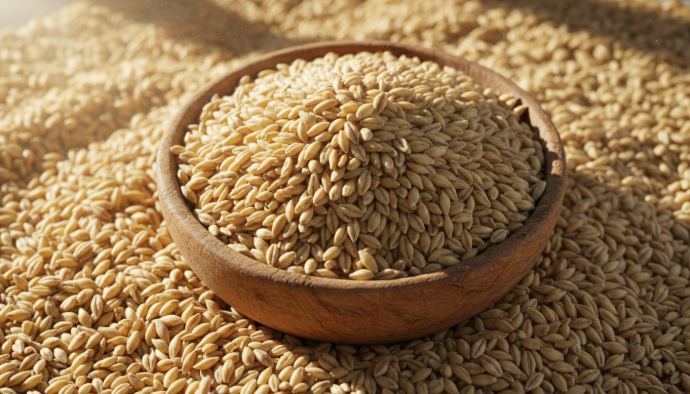
Fibre: The Fuel for a Healthy Microbiome
Why Soluble Fibre Matters?
Soluble fibres — especially beta-glucan — dissolve in water to form a gel in the digestive tract. This gel not only improves digestion but also serves as a prebiotic, feeding beneficial bacteria like:
- Bifidobacteria
- Lactobacillus
- Akkermansia
These microbes in turn, produce SCFAs (short-chain fatty acids) that support gut lining health, lower inflammation and improve metabolic stability.
How Gutrient Fibre Supports
Your Microbiome
1. High-Purity Barley Beta-Glucan
One of the most researched soluble fibres for:
✓ Gut regularity
✓ Microbiome diversity
✓ SCFA production
✓ Improved bowel comfort
✓ Reduced glycaemic response
2. Prebiotic Effect for Good Bacteria
Daily Gutrient intake promotes the growth of beneficial microbes — helping restore balance naturally.
3. Supports the Gut Lining
Beta-glucan helps nourish cells of the gut lining, reducing permeability (“leaky gut”) and supporting stronger digestive resilience.
4. Helps Regulate Digestion & Inflammation
A healthier gut ecosystem means:
- Less bloating
- Smoother digestion
- More stable immune activity
- Better metabolic flexibility